



how hot does a rolling mill get
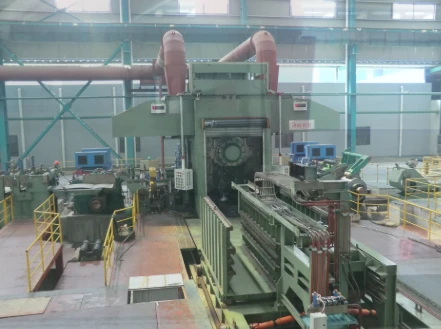
The most fundamental distinction between hot rolling mill s and cold rolling mill s lies in the temperature at which metal deformation occurs. Hot rolling mill s process metal above its recrystallization temperature—typically between 1,100°C and 1,300°C for steel—allowing for easier shaping and reduced resistance to deformation. This high-temperature processing enables the production of large-scale structural components such as beams, plates, and rails with improved mechanical properties through grain refinement. In contrast, cold rolling mill s operate at or near room temperature, working with metal that has already been hot-rolled. The absence of heat means the metal retains higher strength and hardness due to work hardening, making it ideal for precision applications like automotive body panels, appliances, and thin-gauge steel sheets. The cold rolling process also enhances surface finish and dimensional accuracy, which is critical for industries requiring tight tolerances. Hot Rolling Mills and cold Rolling Mills Characteristics and Applications The products from hot rolling mill s and cold rolling mill s serve vastly different market needs due to their distinct mechanical properties. Hot-rolled products, such as structural steel, shipbuilding plates, and railway tracks, exhibit greater toughness and ductility, making them suitable for heavy-duty construction and industrial applications. The slightly rougher surface finish of hot-rolled metal is acceptable in these cases, where surface aesthetics are secondary to structural integrity. On the other hand, cold-rolled products, including automotive sheets (e.g., DX51D, SPCC), stainless steel strips, and precision tubes, offer superior surface quality, tighter thickness control, and enhanced strength. These characteristics make them indispensable in industries such as automotive manufacturing, electronics, and high-end appliances. Companies like YWLX specialize in cold rolling mill solutions, including reversing cold rolling mill s (RCM), tandem cold rolling mill s (TCM), and temper mills, which are essential for producing these high-precision materials. Hot Rolling Mills and cold Rolling Mills Equipment and Technological Requirements The machinery used in hot rolling mill s and cold rolling mill s differs significantly due to their operational demands. Hot rolling mill s require robust, high-capacity equipment capable of withstanding extreme temperatures, including heavy-duty rolling stands, descaling systems, and cooling beds. These mills often operate as part of continuous production lines, such as hot strip mills (HSM), where metal is rolled in multiple passes to achieve the desired thickness. Conversely, cold rolling mill s demand advanced precision control systems, such as Automatic Gauge Control (AGC) and tension leveling mechanisms, to ensure uniform thickness and superior flatness. Technologies like skin pass mills and temper mills are integrated to enhance surface finish and mechanical properties. YWLX’s expertise in cold rolling mill systems, including pickling-tandem cold rolling lines (PL-TCM) and continuous galvanizing lines (CGL), highlights the importance of automation and precision in cold rolling operations. Hot Rolling Mills and cold Rolling Mills Material Properties and Post-Processing Needs The choice between hot rolling and cold rolling also depends on the desired material properties and subsequent processing requirements. Hot-rolled metals typically undergo minimal post-processing, as their primary purpose is structural strength rather than surface refinement. However, they may require shot blasting or machining to remove scale and improve surface condition for certain applications. Cold-rolled metals, however, often undergo additional treatments such as annealing, galvanizing, or coating to enhance corrosion resistance, formability, and aesthetic appeal. Processes like continuous annealing lines (CAL) and continuous galvanizing lines (CGL) are critical for producing high-quality cold-rolled sheets for automotive and construction industries. The ability to tailor material properties through cold rolling and subsequent treatments makes it a preferred method for high-value applications. Hot Rolling Mills and cold Rolling Mills Economic and Operational Considerations From an economic perspective, hot rolling mill s are generally more cost-effective for large-scale production due to lower energy consumption per ton of processed metal and faster throughput rates. However, the trade-off is reduced precision and surface quality, which may necessitate secondary processing for certain applications. Cold rolling mill s, while more energy-intensive and slower, offer higher value-added products with superior mechanical and surface properties. The investment in advanced cold rolling technologies—such as those provided by YWLX—justifies the higher operational costs by enabling manufacturers to meet stringent industry standards and command premium pricing for their products.

We have successfully executed over 500
projects around the world,
many first-of-their-kind
research projects and products in China, including
We have successfully executed over 500
projects around the world,
many first-of-their-kind
research projects and products in China, including
-
2004
The 1st hydraulic AGC system for hot rolling of ribbon steel
-
2006
The 1st AFC system used for 1450mm skin pass mill
-
2009
The 1st 5-stand tandem line with 2-stand POR & Uncoiler for 650mm ribbon steel
-
2012
The 1st reversing mill for 1380mm strip
-
2016
The 1st soft-rolling system used in skin pass mill
-
2019
The 1st fully automated medium-width tandem cold rolling mill
-
2021
The 1st 5000KN Twin-stand double skin pass mill
-
2022
The 1st coupled pickling line & tandem cold mill with two modes - big roller & small roller

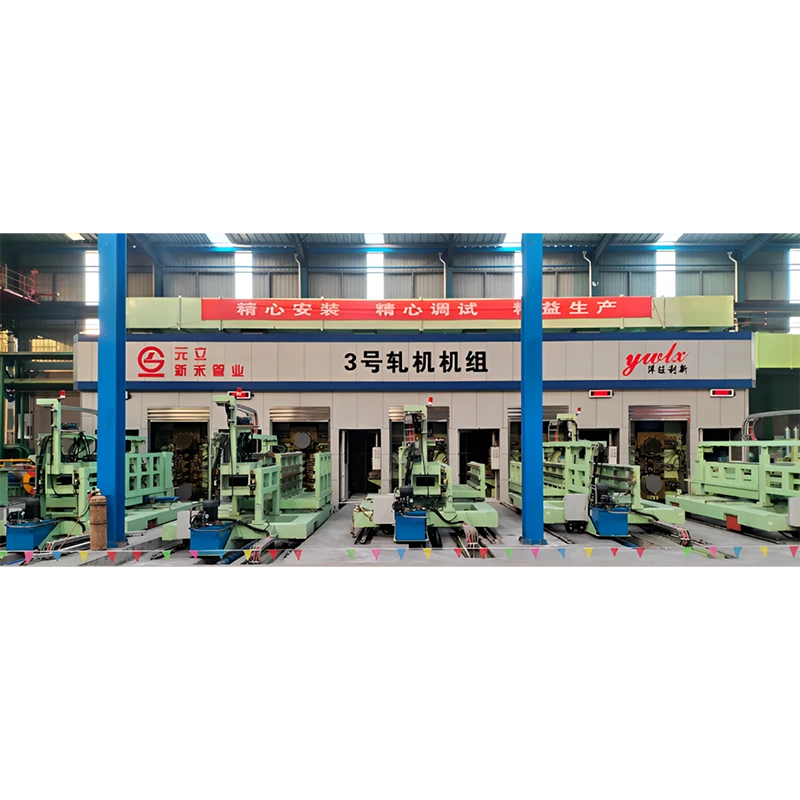

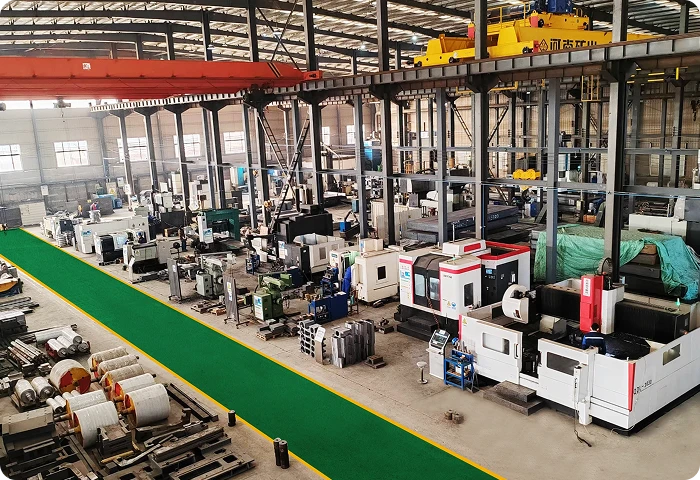
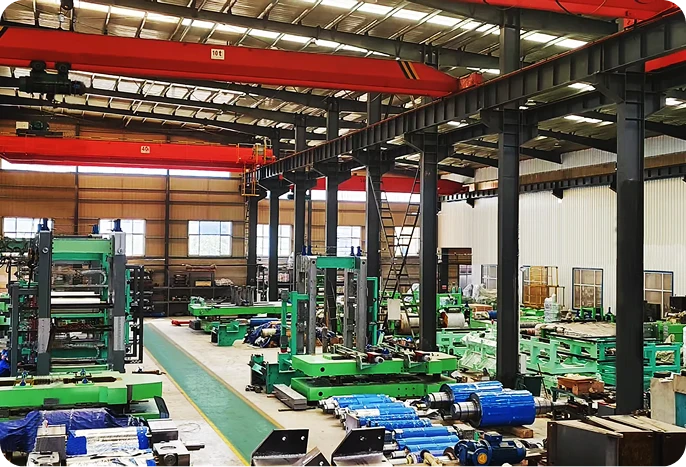
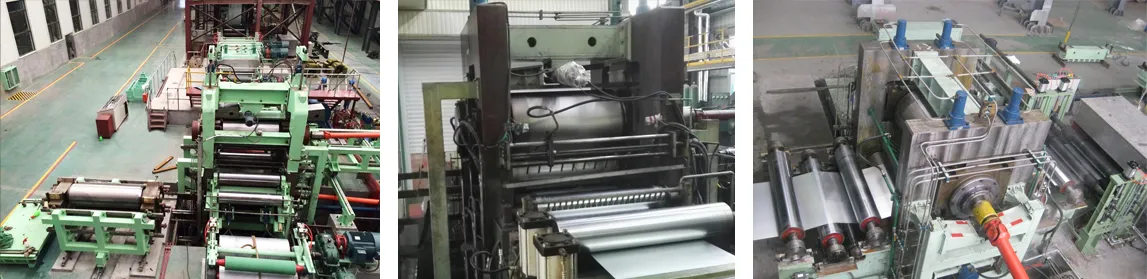
Yang Wang Li Xin operates a state-of-the-art facility over 66,000 square meters,and our manufacturing facility is fully equipped with high-tech machinery and high-capacity cranes. This enables us to handle large work pieces measuring 4.5m in width, 10m in length, and 1.5m in height, guaranteeing our capacity to produce 1800mm skin-pass mills and 1450mm rolling mills. The individual piece can weigh up to 100 tons.


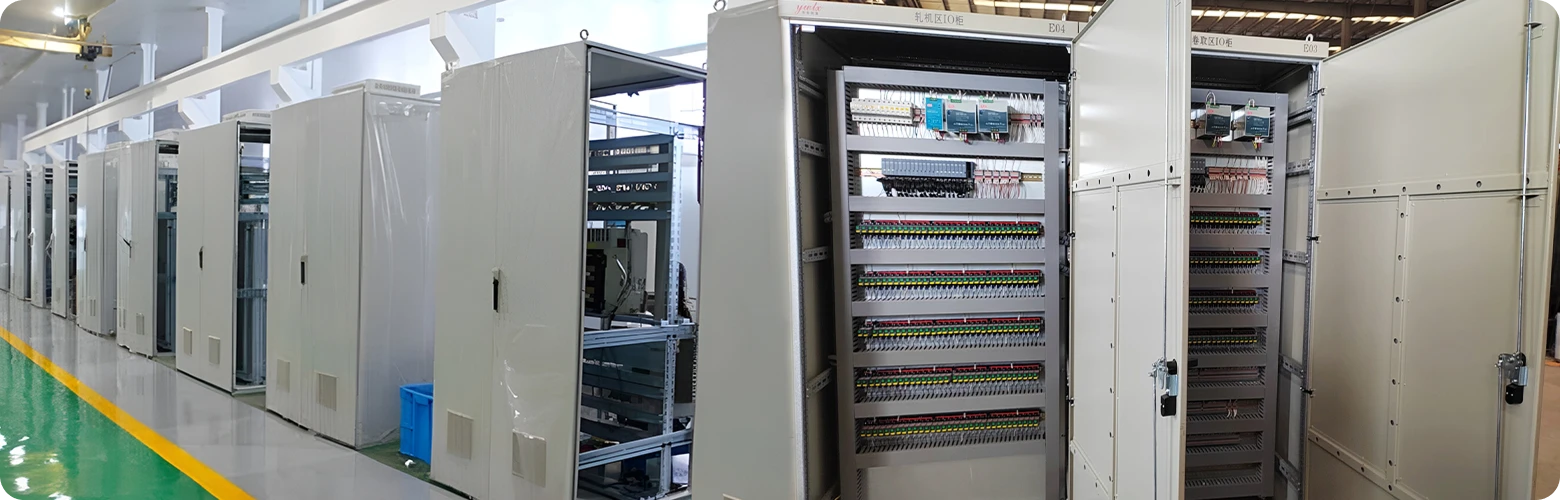
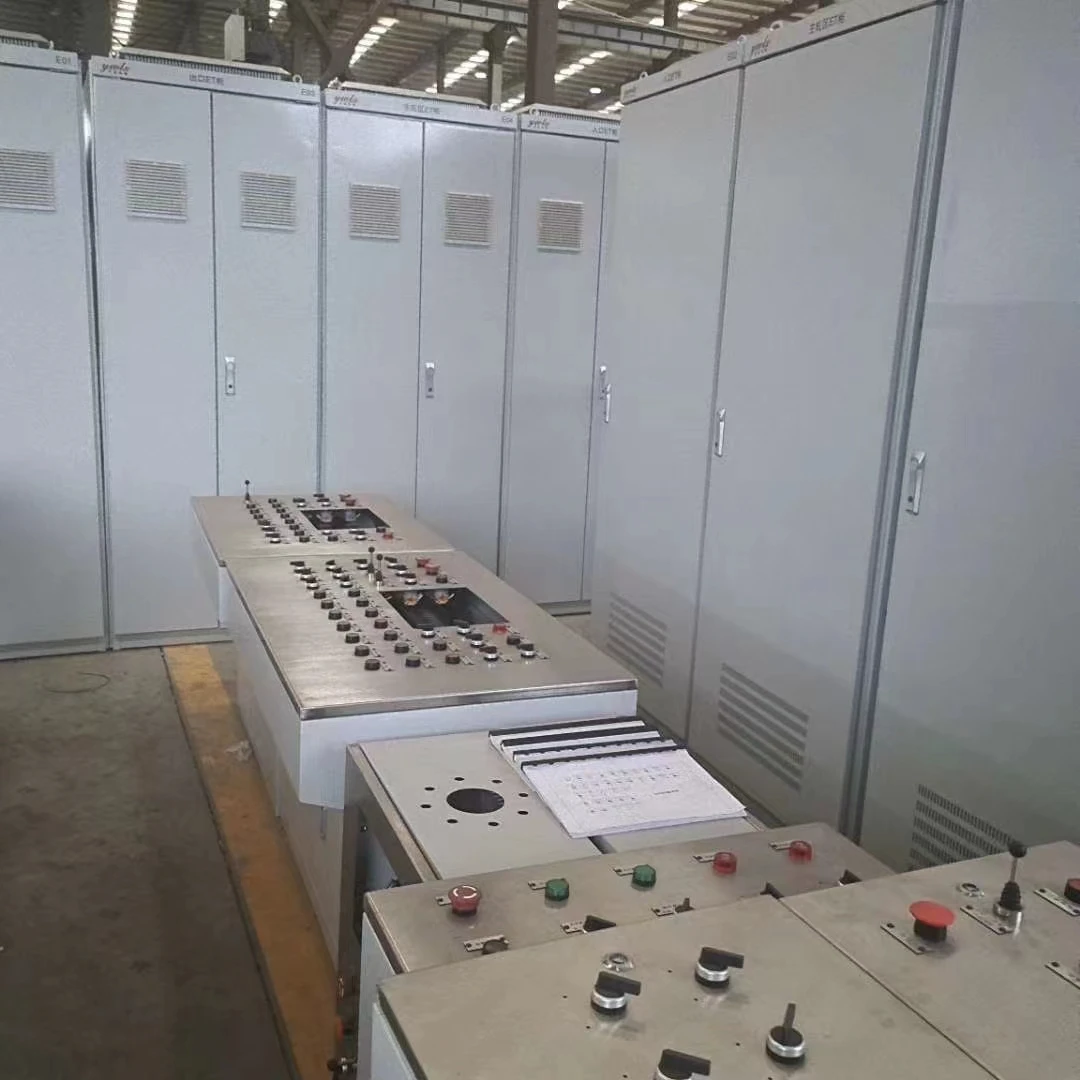
Quality is fundamental to the enterprise survival. We have established a comprehensive and meticulous quality management system and have successfully obtained ISO14000 certification. Starting from the design source, it supervises the entire production cycle, including design, procurement, processing, assembly, in-factory testing, installation, and online commissioning. The workshop is equipped with measuring tools like vernier calipers, spectrometers, hardness testers, and ultrasonic flaw detectors. They are used to check materials and control tolerances to ensure the final equipment meets or exceeds requirements. All products have a unique code, This enables the easy identification and traceability of the equipment components and ensures full control of quality.


-
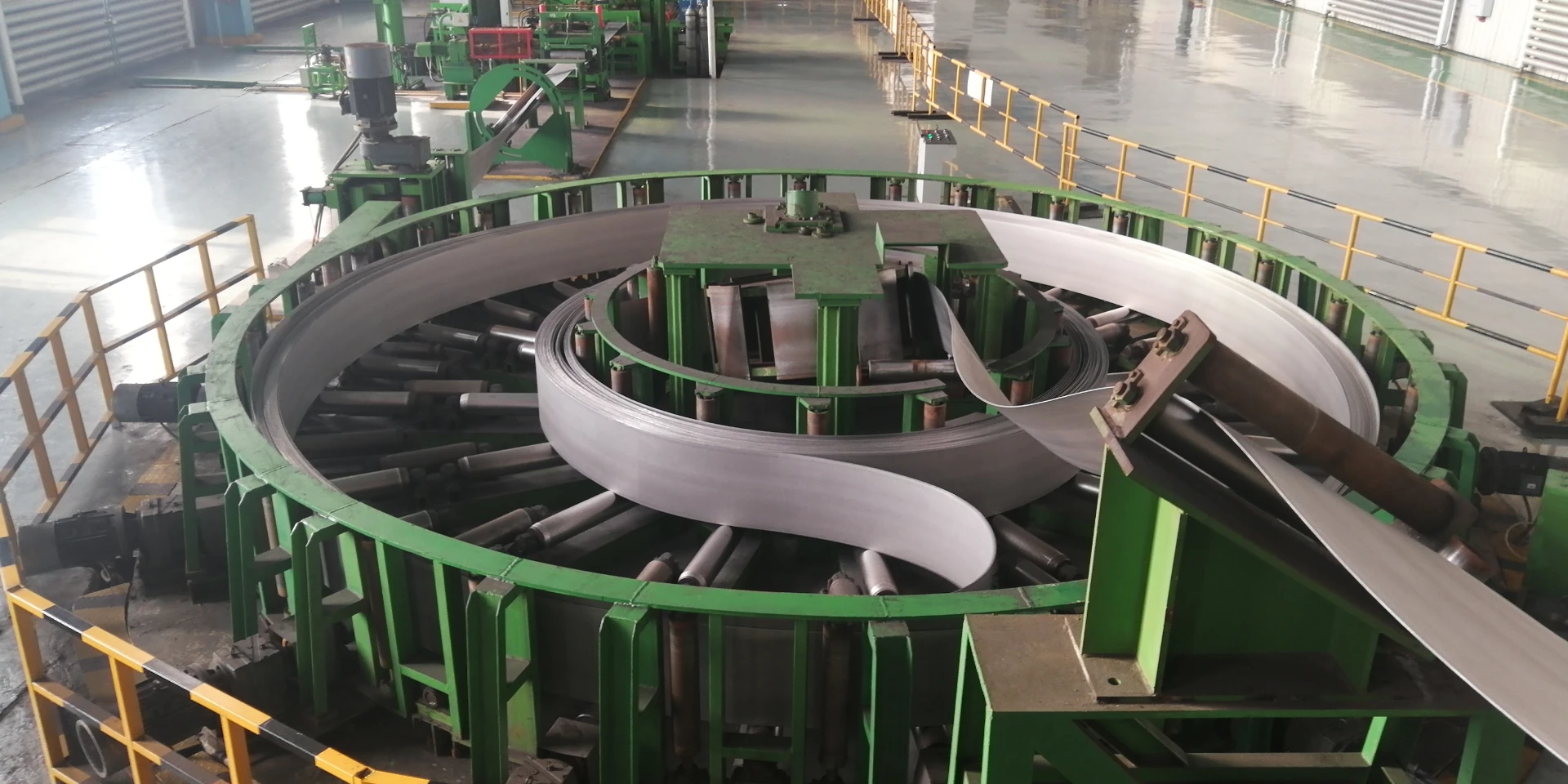
 Roll Bonding Cladding: High-Strength, Corrosion-ResistantRoll Bonding Cladding is a key solution in the manufacturing industry, specifically within Special Equipment Manufacturing Industry and Manufacturing of metallurgical specialized equipment. This article explores how Beijing Yang Wang Li Xin Sci&Tech Co.,Ltd. supports professionals with durable, high-performance products, and explains why this product is an ideal choice for businesses in these sec
 -
 automatic blister packaging machineThe Rise of Automatic Blister Packaging Machines A Game Changer in Packaging Technology In recent years, the demand for efficient and reliable packaging solutions has surged across various industries, including pharmaceuticals, electronics, and food. One of the most innovative advancements in this realm is the automatic blister packaging machine. These machines have revolutionized the way products
 -
 nastro di acciaio inossidabile laminato a freddoCold-rolled stainless steel strip is a fundamental element in various industries due to its universally acknowledged advantages. Renowned for its excellent mechanical properties and superb resistance to corrosion and oxidation, this material stands as a testament to modern engineering. Its prominent role in manufacturing, construction, and technology demands a closer look at its unique attributes


